Sheet 05
What is mixed use development? Homes, work and streets in one place
Mixed-use development combines several urban uses in one place. How does this model work, and what risks does it carry? This guide explains its definition, types, examples, benefits and drawbacks.
What is mixed use development? A definition
Mixed-use development is an approach to building and zoning that brings different uses together with pedestrian connections. These uses can include housing, businesses, cultural venues, institutions or entertainment. The key is that these activities are close together and connected by walkways.
Mixed-use development can apply to a single building, a city block, a district or a citywide zoning policy. Private developers, public institutions or both can carry it out. It can involve new construction, adapting an existing building or redeveloping a former industrial site, known as a brownfield.
Types and examples of mixed use development
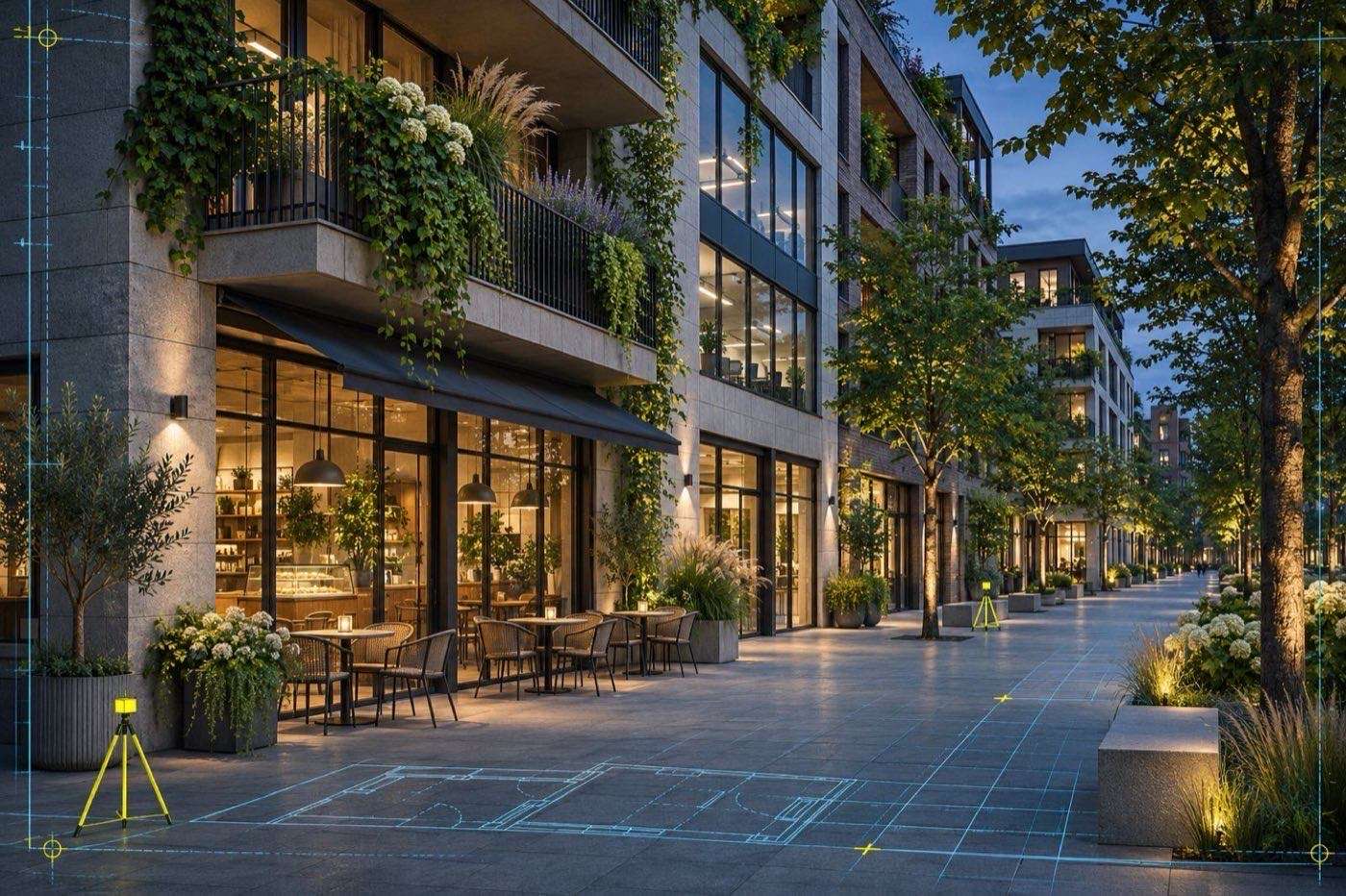
The main distinction between types of mixed-use development is how the uses are arranged. Vertical mixed-use development places different uses on different floors of a single building, such as shops and services below apartments. Horizontal mixed-use development places different uses in neighboring buildings within one district.
In the US, mixed-use development takes several common forms. These include neighborhood retail in residential zones and Main Street buildings, which are two- or three-story buildings with apartments above street-facing shops. Other examples include multistory residential buildings with ground-floor retail, offices with a small amount of retail for workers, offices combined with apartments, and shopping malls converted to accommodate several uses.
Mixed use zoning: where did it come from?
With industrialization, zoning was introduced to separate uses, such as industry and housing. The goals were to protect residents' health and property values.
In the US, this separation of uses peaked after World War II. Opponents included activist and writer Jane Jacobs, who argued that mixing uses made streets lively and diverse. Since the 1990s, mixed-use zoning has regained popularity in planning as a way to counter urban sprawl.
In most of Europe, city centers largely remained mixed-use by default. In Paris, much of the city has a general urban designation that allows different uses side by side.
Benefits of mixed-use development
The idea most often cited is "live, work, play." A district with housing, offices, shops and entertainment venues stays active eighteen hours a day instead of eight.
Another benefit is shorter commutes. When daily destinations are close together, they are easier to reach on foot or by bike. Such a district is also more resilient to economic change.
Drawbacks and risks
Mixed-use development has drawbacks. Large projects often fall short of housing affordability goals because expensive apartments and Class A offices take priority. Buildings with many types of tenants can also carry risks.
One example is Hudson Yards in New York, which cost the city more than 2.2 billion dollars. According to a JLL study, 90 percent of new office tenants moved there from Midtown. This shows how a project can shift economic activity from one place to another instead of creating new activity.
Can you live in a mixed-use property?
Yes, you can live in a mixed-use building. A classic arrangement places apartments above ground-floor shops and services. The Main Street buildings and multistory residential buildings with ground-floor retail described earlier follow this pattern.
Summary
Mixed-use development combines housing, retail, cultural venues, institutions and entertainment in one place. It can range from a single building to a citywide policy. It creates districts that stay active for more of the day and offers shorter commutes. Large projects, however, require attention to housing affordability and the risk of shifting activity from other areas. To see how entertainment uses fit into urban space, read about entertainment districts and stadiums.